Key considerations for planning a trip to Japan
Key considerations for planning a trip to Japan

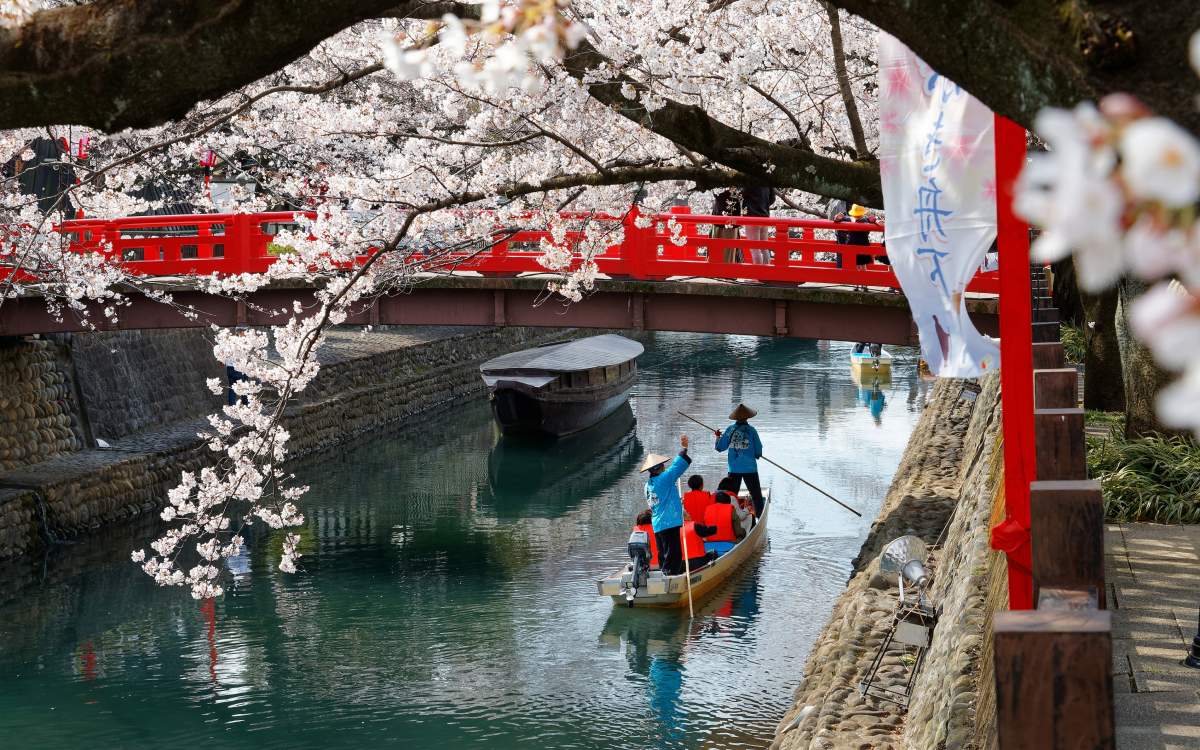
Japan attracts travelers for its quintessential mix of modern cities like Tokyo, historic towns like Kyoto, high-speed rail like the Shinkansen, and a strong cultural identity rooted in Buddhism and Shintoism. Saying that this country promises a range of experiences like no other is definitely no overstatement. However, before making any reservations, travelers should consider a few factors depending on the part of Japan they wish to explore.

Best time to visit Japan

Though individuals can travel to Japan year-round, experiences can vary significantly by season. The peak travel period in Japan is usually during spring and autumn. 

Spring in Japan is mild and great for outdoor activity, while autumn offers cooler temperatures and clear sightseeing conditions. These seasons see a higher demand for flights, guided tours, and accommodations, which often leads to higher prices and fewer flight options.

Off-season travel typically includes the winter and late summer months. During these weeks, accommodation prices are more stable, and tour operators offer lower-priced packages. Off-season travel is a good choice for those who prefer visiting attractions with fewer crowds. Shoulder-season travel, which falls between off-peak and peak periods, often offers a better balance with comfortable weather and lower costs.

What to expect from the experience

Basic packages

Basic travel packages for Japan often focus on popular tourist spots and the efficiency of getting from one place to another. Their itineraries usually cover major cities, such as Kyoto, Tokyo, and Osaka. These attractions are close together and well connected by public transport. Usually, basic packages include guided tours and walking-based expeditions. Travelers can expect their meals to be partially covered in the value-based package. 

Luxury packages

Luxury packages to Japan focus on personalization, comfort, and a relaxed pace of travel. Travelers can choose between traditional inns and luxury hotels for accommodation, along with additional services. Luxury package itineraries are more flexible and include private cultural experiences, tailored sightseeing schedules, and scenic day trips. Dining experiences may focus on curated meals and regional specialties.

Transportation and daily commute

Most travel itineraries for Japan are scheduled around its public transport. It is one of the most organized and punctual countries and is highly reliable when it comes to trains and subways. Tourists can book a travel package that includes regional or city-based passes to manage costs efficiently.

Daily sightseeing in most historic and urban neighborhoods can be done on foot here. That said, tourists must plan their routes carefully and read the posted signage to reduce the need for private transport in most cities.

Tips for a smooth trip

Planning a detailed itinerary can help reduce daily stress. Travelers can choose accommodations near major stations to shorten their travel time. This can also make navigation easier. They must remember to carry cash, as other payment methods may not work in other countries. Additionally, some smaller establishments might not accept cards.

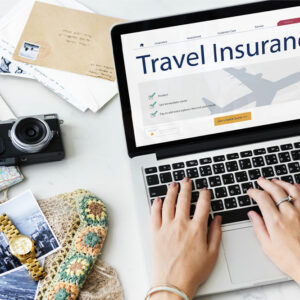
It is essential to look up luggage-forwarding services for a handy way to transport luggage and avoid carrying the weight on trains. When traveling to Japan or any other country, tourists must ensure paperwork is completed in advance and that all the basics are covered. This includes pre-booked tickets, event bookings, travel insurance, and clear identification documents.

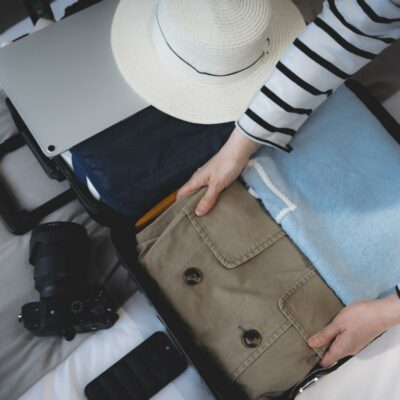
Understanding seasonal packing needs is also important. Comfortable walking shoes are essential, as many attractions involve extended walking. Lightweight clothing works well in warmer months, while layered clothing is useful in cooler months.

Rules and etiquette to know

Japan and its people place strong emphasis on public courtesy and order. Everyone is expected to exhibit quiet behavior on public transport. This also may mean avoiding phone conversations on trains as much as possible. Certain indoor spaces require people to remove their shoes outdoors, especially in places with traditional accommodations and some cultural sites. Many public spaces operate under clear rules; following them is essential.

Punctuality is valued in Japan. It is expected of people to arrive on time for tours, reservations, and transport. Waste is disposed of according to clear sorting guidelines, and littering is uncommon. Respecting and following the rules and etiquette can lead to more positive interactions throughout the trip.
Featured Articles

6 must-visit scenic countries in Asia
Travel

6 must-visit scenic countries in Asia

Asia presents a wide range of travel opportunities. The continent has an array of options shaped by unique landscapes, culture, and infrastructure. Each country, whether it be scenic Sri Lanka or vast India, offers a distinct perspective. Travelers can choose from highly urbanized city-states to regions defined by natural landscapes and heritage. Depending on their personal interests, travel pace, and the regions they want to explore, travelers can visit multiple countries in Asia. Vietnam Vietnam is among the budget-friendly destinations worth exploring in Asia. It is a stunning destination with a lot to experience, from quaint cafes by the railway track to the unique egg coffee. A holiday in Vietnam offers a rich blend of culture, history, traditions, and mesmerizing landscapes. The country is full of beautiful valleys, majestic monuments, alluring national parks, sparkling beaches, and surreal mountains. The country’s wilderness often tempts tourists into spending quality time there. They can explore the ancient town of Hoi An, stroll through Ho Chi Minh City’s vibrant streets, try Phu Quoc’s delicious food, and cruise in Ha Long Bay. Indonesia This Asian country is an archipelago known for its breathtaking beaches. It is one of the preferred destinations for those seeking an exotic getaway.
Factors to consider when picking a travel destination
Travel

Factors to consider when picking a travel destination

Choosing a destination is an exciting starting point for planning a trip. However, this decision also significantly impacts every other aspect of the journey. The travel destination influences the pace, daily routines, expenses, and the kinds of experiences one encounters along the way. A location that looks appealing on paper may feel very different once weather, accessibility, and time constraints come into play. So, it is best to select a destination keeping a few factors in mind. Purpose of travel Every trip has a purpose. One could be traveling for work, to relax or explore, or simply to experience different cultures. Understanding the purpose of the trip can help narrow down options. Some places are ideal for unwinding or slowing down and enjoying the surroundings, while others are ideal for adventure travels. Identifying the primary intent helps one adjust their expectations for the trip. For instance, places known for heritage sites, museums, and historic neighborhoods are great for cultural exploration, while coastal regions and hill towns are often associated with rest and scenic experiences. Travel budget Deciding on a travel destination depends on several factors, budget being one of them. It plays a central role in the process. Travel costs can also significantly vary based on geography, distance, season, and infrastructure.
5 reasons to buy travel insurance
Travel

5 reasons to buy travel insurance

Traveling needs to be stress-free and relaxing, and having travel insurance can ensure that. It serves as a safety net, protecting policyholders from unexpected costs while traveling. What’s more, travel insurance is quite affordable, and many travel companies offer insurance as part of their broader holiday package deals. If not included, travelers can opt for one from a popular provider to minimize the risks of travel. Coverage for unexpected wellness issues and needs Unforeseen issues, such as wellness concerns, can disrupt plans. In this case, travel medical insurance can help by covering access to appropriate care and management options. Without insurance coverage, finding and coordinating healthcare support in an unfamiliar location can be complicated and expensive. To avoid major disruption in travel plans and reduce stress, including insurance in a holiday package is prudent and helpful. Protection against trip cancellations Trips may need to be cancelled or rescheduled due to unforeseen circumstances. Such disruptions can include health emergencies, changes in schedule, or weather-related concerns. If travellers have travel insurance policies in place, providers can reimburse non-refundable expenses such as transportation, accommodation, or tour bookings. Investing in a good policy can help travelers save their hard-earned money in the event of travel disruptions.
6 essential travel tips for beginners
Travel

6 essential travel tips for beginners

Traveling for the first time brings a lot of excitement. However, it also brings a smidge of nervousness and uncertainty. After all, there is a lot of planning involved, right from selecting a destination and arranging transport and stays to creating the perfect itinerary. This is where taking note of a few travel tips for beginners can help. With the right information in place, individuals can be a little more prepared for their first adventures and avoid common mistakes. Do thorough research Research is the first step to planning a seamless trip. For those who do not have a destination in mind, research can help them pick a place that is safe, has the right kind of tourist infrastructure, and aligns with their interests. For those who already have a destination in mind, proper research makes it easier to work out the finer details, such as the best ways to get there, local commuting options, and suitable places to stay. Those traveling to multiple cities also need to have the entire route and schedule planned down to a tee. This is one of the most practical travel tips for beginners, as it helps avoid last-minute panic and unnecessary stress. Set a budget A clear budget can save a lot of hassle.

Top Articles

6 travel bucket list ideas
Travel

6 travel bucket list ideas

When choosing a travel destination, it is natural to be drawn to places that are famous. While that’s okay, popularity should not be the only factor in deciding a place. It is also recommended to consider locations that are steeped in art, history, and nature. Such places provide a richer learning and emotional experience. There are several travel bucket list places and ideas from across the world that tick these boxes. Explore the Louvre Museum in Paris Paris is well-known for its romantic atmosphere and historic landmarks that can be easily explored on foot. Museums, public gardens, and open squares are spread across the city, making Paris one of the must-visit places in the world for relaxation. While the Eiffel Tower is the most famous spot here, there’s a lot more to explore. The Louvre, for instance, is a renowned museum that houses the Mona Lisa painting. One can visit the museum on their own or sign up for a guided tour to better understand the masterpiece and its importance. After leaving the Louvre, one can explore the nearby districts of Montmartre and Le Marais, featuring narrow streets, local cafés, and historic buildings.  Visit Stonehenge Stonehenge is a prehistoric monument in southern England’s Salisbury Plain, consisting of massive stone columns arranged in a circle.
6 scenic cities to visit
Travel

6 scenic cities to visit

Given that there is no dearth of cities and towns to visit, picking the right one can be a challenge. So, it is best to evaluate potential options against certain criteria. These include food options, culture, and activities travelers would want to partake in. Plus, for those who seek not only these experiences but also stunning scenery, they can look into multiple cities, including Cape Town and Amsterdam, that deliver on all fronts. Sydney This city is stunning, thanks to its towering rock formations and natural harbor juxtaposed with quaint outdoor cafes and cityscapes. The Australian metropolis is especially known for its iconic Sydney Opera House and the Sydney Harbour Bridge. Those interested in all things art can visit the New South Wales Museum campus to take a look at the city’s art and architectural displays at the Art Gallery. They should also visit Barangaroo for sampling local cuisine, bar hopping, and exploring fine dining options. The city offers a sunny, warm climate ideal for surfing; travelers can head to popular beaches, such as Manly or Bondi, to catch waves, soak up the sun, and immerse themselves in the vibrant local culture. Tokyo Japan welcomes millions of international travellers each year, many of whom head to Tokyo to enjoy the cityscape.
6 travel destinations to visit in 2026
Travel

6 travel destinations to visit in 2026

The new year is here, and it’s time to start planning for what lies ahead: career changes, routines, health goals, and, of course, the next vacation! There are many places people can explore across the world, depending on their travel purpose (relaxation, adventure, or cultural immersion) and budget. Those struggling to make up their mind can take a look at the trending travel destinations. These are tourist-friendly places, each unique in its own way. Japan When in Japan, people often travel the classic Tokyo-Kyoto-Osaka triangle because these cities are well-connected and offer a complete first taste of the country. However, it also has many lesser-known places and experiences waiting to be explored, including nature trails, snow-dusted shrines, islands, and local ryokan dinners. Those planning a trip here should consider going during the winter season, as it’s a great time to experience Japan. The country’s natural beauty is at its peak, and crowds are fewer. Thailand Thailand attracts tens of millions of visitors annually, and this year may be no different. The country’s stunning islands, dense jungles, and calm coastlines showcase its biodiversity. Bangkok is among the most visited cities, filled with riverfront walks, markets, historic sites, and a fast-paced life.
6 tips to pack light for travel
Travel

6 tips to pack light for travel

Packing light is a skill that makes travel more efficient and enjoyable. Carrying fewer items reduces physical strain, saves time at airports, and allows travelers to move freely. While it may seem challenging at first, packing light is achievable with the right approach and mindset. With planning well, building a capsule wardrobe, and packing mindfully, travelers can reduce luggage without sacrificing comfort or style. Over time, packing light becomes second nature, making travel a rewarding experience. Start with a clear plan Proper planning can make traveling light easier. Those planning vacations can greatly benefit from taking the time to research their destination. They should look into the local climate and customs, and consider the length of stay before starting to pack. Knowing the kind of weather to expect can help them avoid packing extra layers or unnecessary clothing. They should also consider the itinerary and daily activities. Additionally, creating a simple packing list that focuses on essentials can help.  Choose the right bag The size of the chosen luggage bag is another factor to consider. Doing so determines whether an individual packs or overpacks for their travel. If it is just a short trip, individuals can consider opting for a carry-on or a similarly sized suitcase.
7 tips for planning affordable travels
Travel

7 tips for planning affordable travels

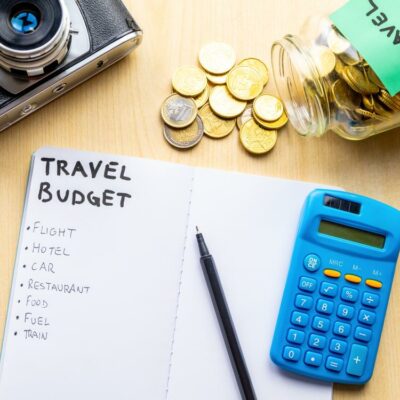
Smart travel budgeting allows one to make the most of the travel experiences without facing financial hassles. By setting realistic spending limits and identifying travel priorities, it becomes easy to track expenses and avoid unexpected costs and make thoughtful decisions. This process ultimately helps one comfortably explore new destinations and focus on the experience rather than the costs. Following certain travel budgeting tips can further streamline the planning process. Set a realistic travel budget The first step in planning an affordable trip is to determine a comfortable amount for expenses. One should consider certain aspects such as transportation, accommodation, food options, shopping sprees, popular sightseeing spots, and emergency expenses when calculating the budget. Having a realistic budget and sticking by it can help one avoid unnecessary or impulsive spends. To streamline the process, one can ensure to allocate funds category-wise to avoid overspending in a particular area and running short in another. Research destination costs in advance Different destinations have varied costs of living. So, understanding this factor beforehand can help avoid surprises later. Research the average prices for meals, hotels, attractions, and local transport to estimate expenses in a particular location. Knowing whether a destination is budget-friendly or expensive helps one adjust plans and expectations early on.
6 benefits of traveling with a first aid kit
Travel

6 benefits of traveling with a first aid kit

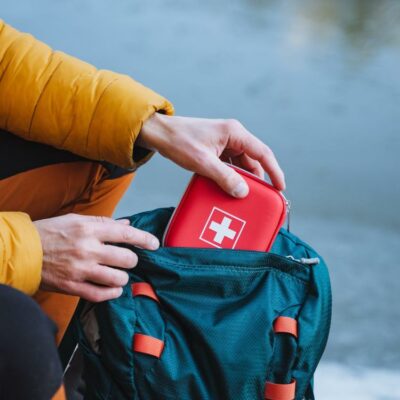
A trip can be an amazing way to relax and make memories. That said, when going on a trip, it is important to prepare for uncertainties. Injuries, illnesses, or health issues can come up at any time, disrupting the journey. Carrying a first aid kit is a small but effective way to prepare for this. With a well-organized, thoughtfully stocked kit, individuals can enjoy their holiday, knowing they can tackle minor health emergencies. Importance of a first aid kit while traveling Provides immediate support When traveling to a new place, individuals may not know where exactly the nearest hospital or clinic is. If they need immediate assistance in such a situation, a first aid kit can be useful. Individuals can use the supplies in the kit for temporary relief from cuts, headaches, blisters, burns, or stomach discomfort until they find professional assistance in the holiday destination. Reduces dependence on local facilities Deserts, islands, forests, and other remote areas generally lack easy access to clinics, doctors, and wellness centers. Finding help in such regions can seem impossible, especially late at night. Moreover, in some places, a language barrier can make communication with the pharmacist or doctor difficult. Having a first-aid kit on hand can reduce reliance on local services and help individuals treat minor concerns on their own.